For many homeowners, renters, and property managers, the real question is not simply whether pest control should be green, but whether it really delivers results. In Ottawa, where cold winters, spring thaw, and dense neighbourhoods all influence pest activity, the answer depends on the pest, the property, and the strategy. Non-toxic pest control can be extremely effective when it is part of a full pest management strategy and supported by inspection, tracking, and protective measures. It is usually strongest as a targeted approach, not a single solution.
That matters across the city, from older homes in centretown to newer suburban builds in Kanata, Barrhaven, and Orleans. It also matters in nearby communities such as Carleton Place, Rockland, and Renfrew, where rural and suburban pest pressures can look similar, even if service availability and response times differ from central Ottawa. For anyone searching for pest control Ottawa or even pest control near me, understanding what “non-toxic” really means is the first step.
What counts as non-toxic pest control?
Non-toxic pest control usually describes methods that decrease pest activity without depending mainly on broad-spectrum chemical spraying. In practice, that usually means a combination of integrated pest management, low-toxicity products, and structural prevention. The purpose is not simply to eliminate pests, but to reduce the conditions that let them thrive.
Common components include:
- Physical exclusion to prevent access through gaps, cracks, vents, and utility penetrations. Sanitation to remove food residue, moisture, and clutter. Trapping for rodents and some other pests. Baiting in controlled situations, often with lower-risk formulations. Monitoring to observe activity and see whether treatment is working.
In a effective prevention program, these methods are paired with inspection and monitoring, then adjusted based on the infestation level. That is why non-toxic pest control is often better described as a management strategy than a single product. It relies on exclusion methods, preventive measures, and follow-up inspection rather than heavy residual chemicals.
For Ottawa properties, this approach fits well because many pest problems are seasonal and access-related. If pests are getting in through visible gaps or hidden entry points, closing those openings can deliver lasting control with minimal chemical exposure.
Are eco-friendly approaches successful for pest control Ottawa residents need?
Yes, often they are useful, but the results depends on the type of pest, the severity of the problem, and how rapidly the issue is handled. For many households seeking pest control Ottawa services, the best result comes from combining prevention and treatment rather than expecting one product to solve everything. A focused, effective pest control plan can be highly successful when the pest pressure is fairly low and the property is maintained well.
Ottawa’s four-season climate produces a regular cycle. Winter cold and freeze-thaw cycles drive rodents like mice indoors, notably in neighbourhoods such as Kanata, Barrhaven, and Orleans, where housing stock may include both older structural gaps and newer utility penetrations. Spring and summer create more insect pressure, and fall often brings a fresh wave of pests seeking shelter.
That’s why people searching for pest control near me should think about more than just immediate elimination. The real measure of effectiveness is whether the method reduces activity, blocks re-entry, and reduces the chance of recurring issues. Non-toxic methods are especially well strong when the problem is still localized and when the home’s weak points can be sealed.
However, if the infestation level is severe or the species is aggressive, a non-toxic plan may need professional support and more than one visit. In other words, non-toxic methods are often useful in Ottawa, but their success depends on the pest pressure and the quality of the tailored treatment plan.
Which Ottawa pests can low-toxicity methods treat well?
Some pests react better than others to low-toxicity strategies. In Ottawa, the most manageable cases are often those involving rodents and common crawling insects, especially when the issue is identified early.
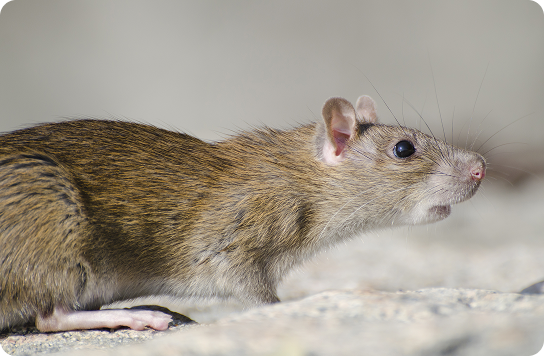
pest control Ottawa mice stands one of the clearest cases. Mice are strongly driven by access, food, and shelter. That means exclusion, trapping, sanitation, and monitoring can work very well. If the entry points are identified and sealed, the results can be durable.
Ants are another pest that often reacts to a low-toxicity solution. If the nest is small and the problem is inside a defined area, targeted baiting and sanitation can reduce trails and nesting activity without widespread chemical use. The key is accurate identification, because not all ants act the same.
Cockroaches can also be managed with low-toxicity methods, especially in kitchens, apartment buildings, and shared housing. Success depends heavily on sanitation, monitoring, sealing cracks, and using traps or targeted baiting. Cockroaches are resilient, so these approaches work best as part of a longer plan rather than a one-time fix.
Wasps are a more variable case. Prevention and exclusion can reduce nesting opportunities, but if there is an active nest, direct nest removal is often necessary. Non-toxic methods may help with prevention, but active wasp problems can require immediate professional intervention for safety.
For families, landlords, and property managers searching Ottawa neighbourhoods and nearby communities, chemical-free approaches are most successful when the pest is predictable and the source is accessible. That is why many service providers begin with inspection and monitoring before recommending any treatment.
When do eco-friendly approaches fall short?
Non-toxic approaches tend to prove insufficient when the infestation has already become entrenched. A heavy infestation usually means there are several harborage areas, several entry points, or repeated food and water sources. At that stage, exclusion and trapping alone may be insufficient.
They can also be limited when nest removal is required. This is especially true for wasps, some cockroach situations, and rodent nests hidden in wall voids or attics. If the nest is active and close to living areas, treatment may need to be faster and more direct.
Structural entry points are another limitation. If a home in central Ottawa has weathered brick gaps, aging vent covers, or worn utility penetrations, pests may keep returning even after cleaning and trapping. Likewise, newer suburban homes on the edge of the city can still have weak spots where mechanical systems, foundations, or utility lines meet the structure.
Finally, these solutions may require follow-up treatments. Pest control is almost never a single-step event, especially so in Ottawa’s climate. Rodent pressure rises in colder months, and insect activity can fluctuate fast with temperature and moisture. A follow-up inspection helps confirm whether the approach is working or whether the plan needs to be modified.
For severe cases, a blended strategy may be more realistic. That means using non-toxic tools first, then adding appropriately chosen products if needed. The goal is always to keep the intervention as low-risk as possible while still solving the problem.
How does non-toxic pest control compare to conventional treatment?
The main difference is in how the problem is addressed. Traditional pest control often uses residual pesticides that continue affecting pests after application. These can be effective, especially in difficult infestations, because the residual effect may help suppress activity over time. Non harmful pest control, by contrast, relies more on stopping problems early, clearing, and behavior adjustment in the environment.
Neither approach is automatically more effective in every situation. A targeted treatment with a residual product may be the best choice for a severe issue in a commercial kitchen, while a family home may prefer a low-toxicity solution that prioritizes safe for pets and safe for children conditions.
For many Ottawa households, the comparison comes down to different priorities:
- Children and pets: gentler or low-toxicity methods are often preferred where safety is a priority. Environmental impact: fewer chemicals can mean lower environmental impact when the method is effective. Speed: conventional methods may act more quickly in some situations, especially with high infestation levels. Longevity: exclusion and sanitation can provide extended prevention when done properly.
In practice, many reputable companies now use both both models. They may start with inspection, caulking, and traps, then use limited products only where necessary. That gives the customer a personalized treatment plan that balances results with safety and environmental concerns.
Which safer pest treatment methods are used in Ottawa?
Several techniques are typical in green pest control services across Ottawa. The specific mix depends on the kind of pest, the building type, and the season.
Sanitation is frequently the starting point. This means washing food areas, eliminating crumbs, storing pet food properly, disposing of garbage regularly, and limiting moisture where pests gather. Effective sanitation is important for all apartments and houses, especially in shared buildings.
Sealing entry points is an additional core strategy. Gaps around pipes, vents, siding, foundations, and doors can let mice and insects in. Exclusion methods such as caulking, mesh, weatherstripping, and repair work can make a big difference.
Traps are effective for mice and some crawling pests. They are commonly a key part of pest control Ottawa mice programs because they provide prompt monitoring and removal without leaving behind heavy chemical residues.
Bait stations can also be used, typically in a carefully targeted way. While not always fully “chemical-free,” they are usually part of a more targeted strategy than blanket spraying. In many cases, baiting is combined with inspection and monitoring to assess progress and lower risk.
Mosquito Man Ottawa185 Claridge Dr, Nepean, ON K2J 5G8, Canada
+16136999325
https://maps.app.goo.gl/S2ACHq7LaozDoqS66
77P8+45 Nepean, Ottawa, ON, Canada
These options work best when a technician understands the property’s weak points. In older parts of Ottawa, especially homes with aging foundations or heritage features, exclusion may take more time. In newer suburbs, the issue may be utility openings, construction gaps, or garage access points. Either way, non-toxic pest control is strongest when it focuses on where pests are https://toronto-onqo049.cavandoragh.org/pest-control-ottawa-local-choices-rates-and-neighbourhood-coverage actually entering and nesting.
How much does pest control Ottawa cost for eco-friendly service?
pest control ottawa cost depends based on the pest type, property size, urgency, and whether the work includes an inspection, exclusion repair, trapping, baiting, or follow-up visits. Eco-friendly service may look different from conventional treatment because it often includes more hands-on prevention and more time spent on diagnosis.
A standard inspection fee may pay for the technician’s assessment of the infestation level, entry points, and sanitation concerns. From there, a treatment plan is designed around the issue. If the property needs sealing, trapping, or multiple visits, the price may rise accordingly.
Ongoing maintenance can also affect the total cost. For example, a landlord with repeated rodent pressure may need seasonal inspections and repeated monitoring. A homeowner with a one-time mouse issue may only need a short-term plan with a follow-up inspection.
In Ottawa, the value of eco-friendly service is often found in prevention. Spending more upfront on exclusion and sanitation can reduce repeat calls later. For people comparing pest control Ottawa cost, that long-term view is important. A cheaper service that relies on temporary suppression may not be the best deal if the pests come back.
Are local Ottawa companies offering green or low-toxicity pest solutions?
Yes. Many local providers advertise green or low-toxicity service options, though the details vary widely. Companies such as skedaddle ottawa, abell pest control ottawa, mr pest control ottawa, and go pest control ottawa are commonly mentioned by residents looking for greener approaches or more family-focused service models.
When comparing providers, it is worth asking what “green” actually means in practice. Some companies emphasize exclusion and trapping, while others may still use a mix of low-toxicity products and conventional methods. The best choice is not necessarily the most advertised eco-friendly option, but the one that provides a clear inspection process, a custom treatment plan, and a practical prevention strategy.
For people searching reviews, pest control ottawa reddit often appears as a place where residents share experiences with response times, pricing, and how well the service dealt with recurring problems. Those conversations can be useful, but they should be balanced with direct questions to the company and, where possible, a site inspection.
It is also helpful to consider service coverage. Some companies focus heavily on central Ottawa, while others also serve surrounding areas like pest control kanata, pest control kanata ottawa, pest control orleans, pest control barrhaven, pest control carleton place, pest control rockland, and pest control renfrew. Nearby rural and suburban properties may have similar issues, but the logistics of service availability and response times can differ.
What should Ottawa residents ask before hiring a pest control company?
Finding the best pest control ottawa option starts with asking the right questions. A company should be able to explain its process clearly, not just offer a service package.
- What pest species are you dealing with, and how do you confirm it? Do you use inspection and monitoring before recommending treatment? What exclusion methods do you offer for entry points and structural gaps? Is the plan safe for pets and children? What products or traps are used, and why? Do you offer a written treatment plan? What follow-up inspection or follow-up treatments are included? Is there a guarantee, and what does it actually cover? Are your technicians certified and trained for the species in question?
certification matters because it suggests the technician understands pest biology, safe application, and inspection standards. A clear treatment plan is equally important because it shows how the company will handle prevention, removal, and monitoring. A real guarantee should also be specific about timelines and conditions, rather than vague promises.
For Ottawa residents, the most practical choice is usually the service that explains both rapid suppression and long-term prevention. If a provider can show how it addresses access points, hygiene, and aftercare, that is often a better indicator than a straightforward claim of fast results.
FAQ: Non-toxic pest control in Ottawa
Are non-toxic pest control methods effective for mice in Ottawa?
Yes, especially when the problem is caught early and the plan includes sealing entry points, capture traps, hygiene, and monitoring. For mice, non-toxic pest control can be highly effective because the real issue is often access. If entry points are sealed and food sources are removed, mice have a harder time settling in the home. In Ottawa’s cold months, especially in Kanata, Barrhaven, and Orleans, that prevention work becomes more important still.
How long does non-toxic pest control take to work?
It depends on the pest and the infestation level. Some rodent situations improve quickly once traps and exclusion are in place, while ants or cockroaches may take more time because the source may be hidden. Non-toxic pest control usually works best over a few days or several weeks, not hours. A follow-up inspection helps verify whether the plan is lowering activity.
Is non-toxic pest control safe for pets and children?
It is generally designed to be more safe for pets and safe for children than broad chemical treatment, but safety still depends on how the service is delivered. Traps, bait stations, and sealed entry points should be placed carefully. A provider should outline any risks and how the treatment supports children-safe treatment goals in your home.
What is the difference between green pest control and conventional pest control?
Green pest control usually prioritizes prevention, exclusion, sanitation, monitoring, and lower-toxicity products. Conventional pest control often uses more direct chemical treatments and may rely on residual pesticides for prolonged suppression. In practice, many companies use a combination of both. The main difference is the level of chemical exposure and how much the strategy depends on environmental changes rather than pesticides alone.
Does pest control Ottawa have a higher price for green treatments?
Sometimes, yes, but not necessarily. Green treatment service may include a more detailed inspection, sealing work, traps, and follow-up visits, which can affect the price. However, the long-term value may be better if the service reduces repeat infestations. When comparing pest control ottawa cost, ask what is included in the inspection fee, treatment plan, and ongoing maintenance so you can compare fairly.
For most Ottawa properties, non-toxic pest control is effective when it is treated as a prevention-first system rather than a quick fix. If you combine exclusion methods, sanitation, monitoring, and the right level of intervention, you can usually reduce pest pressure in a way that is practical, family-conscious, and suited to local conditions. The best results often come from a plan that matches the property, the pest, and the season.